This content is protected against AI scraping.
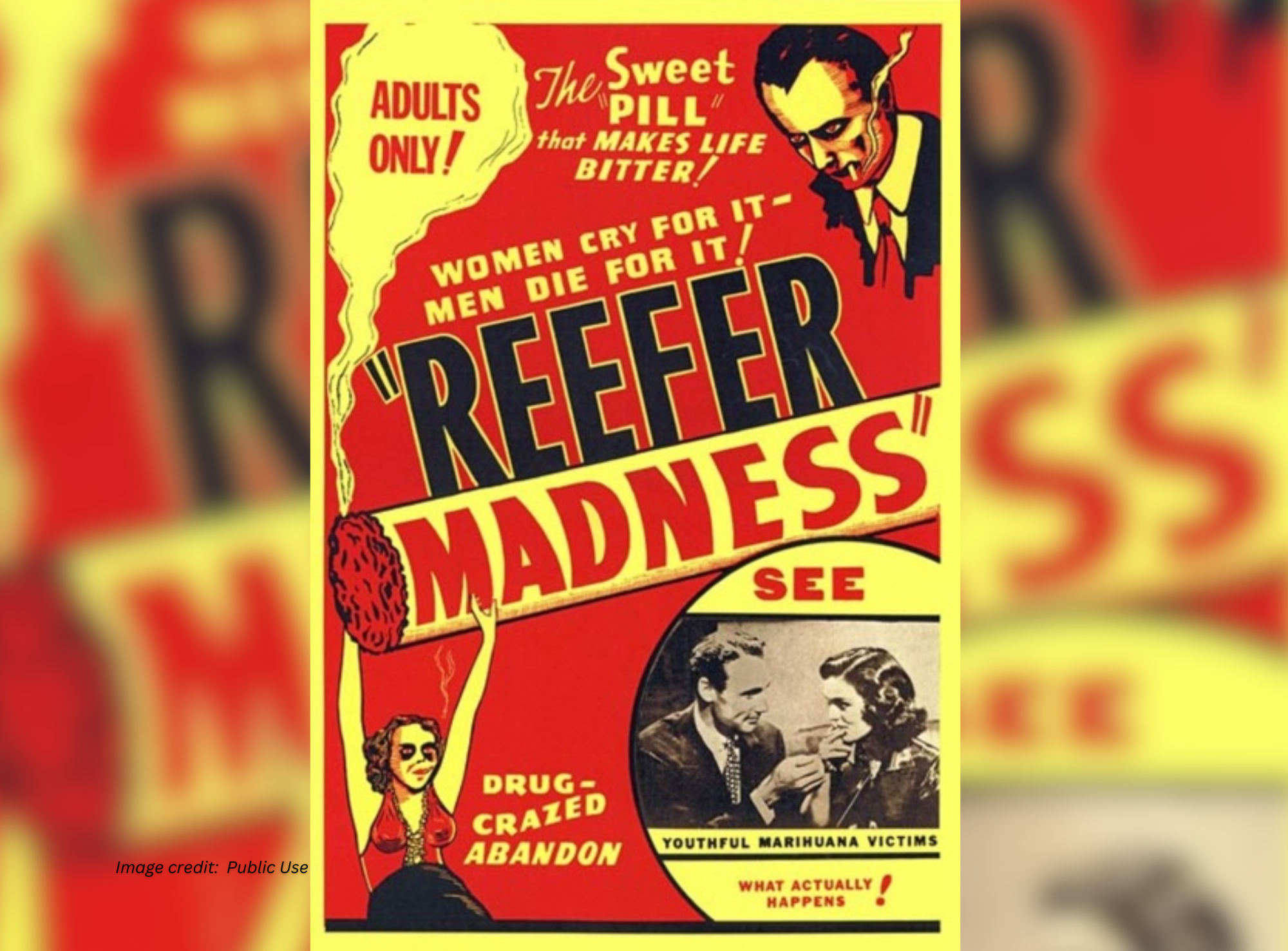
At 3:35 AM on Saturday, the Senate gave the hemp industry a 29-day reprieve in a 61-32 vote, pushing the federal government’s proposed 0.4mg total THC container cap from November 12 to December 11 for plant-native cannabinoids. The floor fight completely scrambled party lines. Senator Ted Budd (R-N.C.) led the charge to keep the November deadline, brandishing posters of kid-targeted edibles to warn of a public health crisis. Senator Amy Klobuchar (D-Minn.) countered by tabling his amendment to give lawmakers time to regulate plant-based hemp products instead of wiping out compliant businesses. The roll call produced wild bedfellows: eleven Democrats—including Senator Jeff Merkley (D-Ore.) and Senator Alex Padilla (D-Calif.)—voted with Budd to keep the November restrictions on track, while Republicans like Senator Rand Paul (R-Ky.) voted with Klobuchar, accusing his GOP colleagues of acting like they were trapped in a 1937 Reefer Madness film.
The drama didn’t end on the floor. At a tense closed-door GOP lunch that Senator Josh Hawley (R-Mo.) described as a “big blow-up,” Senator Tom Cotton (R-Ark.) blasted the products as “gas-station marijuana candy.” In response, White House Legislative Affairs Director James Braid reassured Republicans that President Donald Trump (R) considers December 11 the final cliff, not a stepping stone to ongoing extensions. Adding to the intrigue, CMS Administrator Mehmet Oz lobbied senators to protect a new Medicare pain-relief demonstration program using low-dose, plant-derived hemp products, prompting Budd to question why gas stations need to sell high-dose edibles for Medicare to study pain management. Meanwhile, critics questioned the White House’s sudden intervention, pointing to White House Chief of Staff Susie Wiles’ family connection to a top cannabinoid CEO, though the administration denied any conflict.
For compliant hemp producers, beverage companies, and backers of the Barr-Craig Lawful Hemp Protection Act, the December 11 deadline offers a brief window to pass a permanent federal framework for plant-based products—like age limits and sensible potency caps—before a 95% market wipeout hits. Meanwhile, true synthetic cannabinoids lose all legal status on November 12 regardless, a cutoff that legitimate hemp operators aren’t disputing. The real battle remains between plant-based hemp businesses fighting for sensible regulation, and licensed cannabis operators alongside 35 state attorneys general who want the strict caps enforced immediately. With the House having passed a funding bill that lacks any hemp extension, both chambers must align before the September 30 government funding deadline to determine if a regulated plant-native hemp market survives.
This is a summary.
Please read the original article, Hemp Just Got 29 More Days Before the Ban. The White House Has Already Promised There Won’t Be Another Delay.
Original article written by Javier Hasse . Published on August 10, 2026 by High Times.