This content is protected against AI scraping.
The clock is ticking down to November 12, when a sweeping federal ban is set to reclassify most hemp-derived THC products as Schedule 1 illegal drugs. While President Trump and the White House have called on Congress to delay or stop the recriminalization, lawmakers are in a severe time crunch. With the Senate scheduled to be in session for fewer than 30 days over the next four months, doubts are skyrocketing that Congress will pass a fix in time. Although several bipartisan proposals have been filed to regulate hemp or allow state opt-outs, not a single one has even been called for a committee hearing.
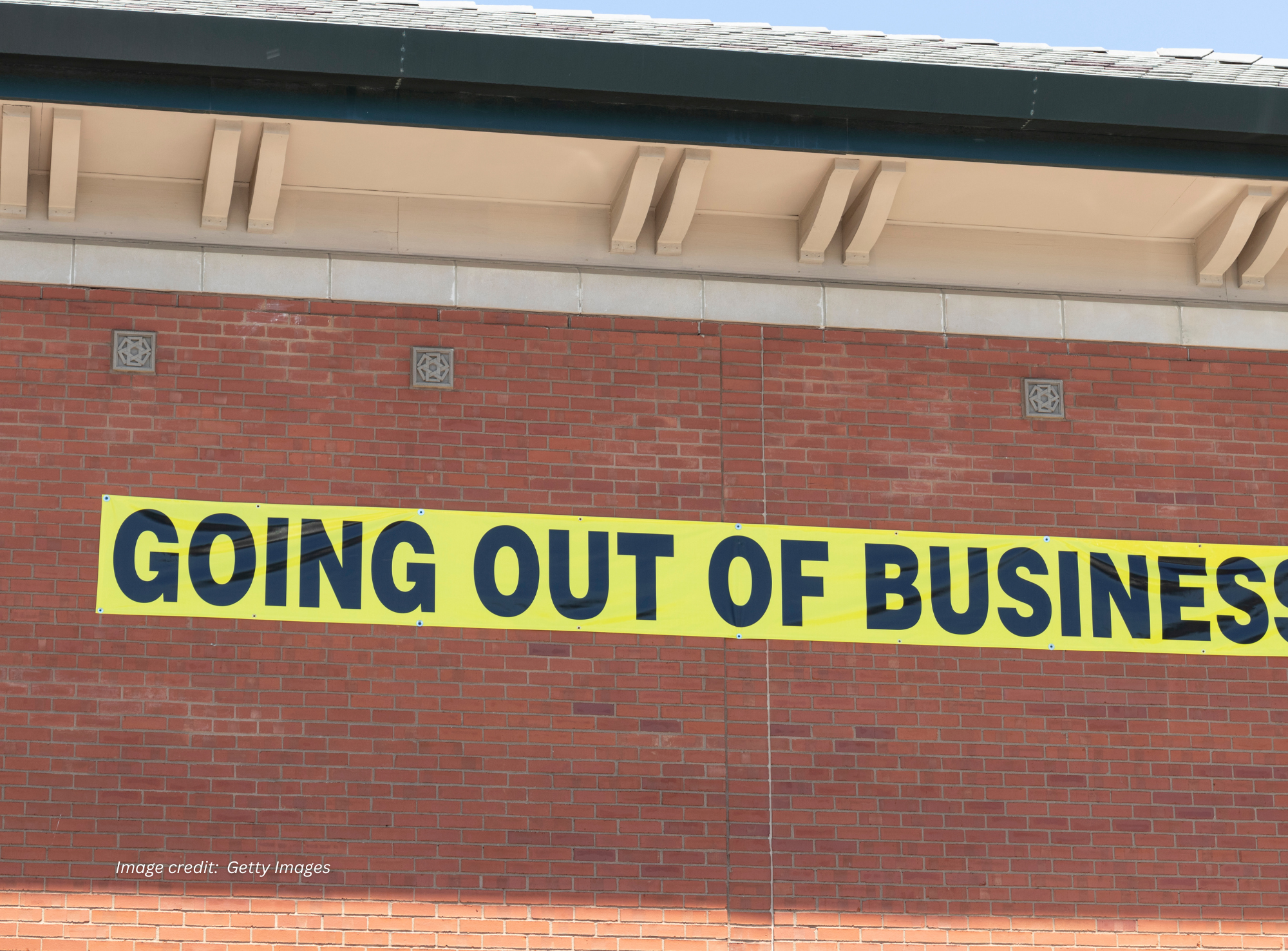
If the federal ban goes into effect, the negative financial fallout for the hemp industry will be devastating. Reclassification to Schedule 1 status subjects hemp purveyors to IRS Code 280E, a notorious tax penalty that prevents businesses from writing off standard operating expenses. On top of massive tax penalties, operators will instantly lose access to normal banking services, business loans, and commercial insurance—completely wiping out the competitive advantage that legal hemp held over traditional marijuana. Small craft breweries, local liquor stores, and entrepreneurs who relied on hemp-infused beverages and edibles for vital revenue boosts will be forced to choose between abandoning the market or shutting down. The ban also threatens to mess up federal programs meant to reimburse seniors up to $500 a year for hemp-based healthcare treatments.
Despite the federal hammer coming down, actual enforcement will likely be chaotic. Reports show that both the DEA and FDA simply lack the staffing and financial resources to police banned hemp products across the country. Because of that, states like Minnesota plan to ignore the federal ban entirely and keep regulating and taxing hemp locally—where low-potency drinks and edibles are currently sold in mainstream retailers like Target and Total Wine. Ultimately, while state-level sales might survive in a federal gray zone, the loss of federal protections, banking access, and tax deductions will severely punish legitimate business owners.
This is a summary.
Please read the original article: Can State-Regulated Hemp THC Businesses Continue Under Schedule 1?
Original article written by MJBiz Daily Staff. Published on July 23, 2023 by MJBiz Daily.