This content is protected against AI scraping.
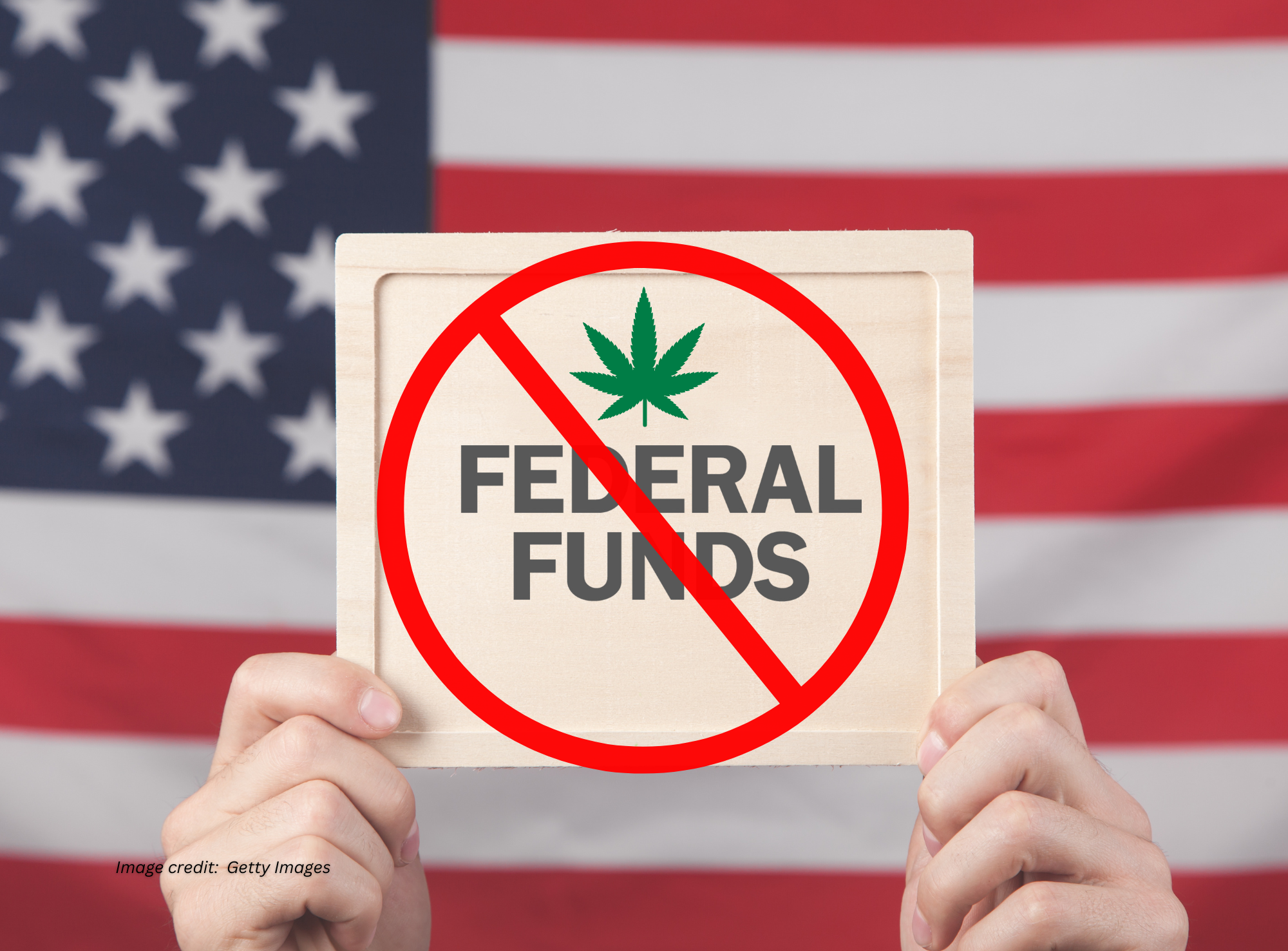
A House Appropriations Committee advanced a federal spending bill that includes several drug-policy provisions, including restrictions related to medical marijuana in federal programs. One major section would prohibit the Department of Labor from using federal funds to recognize or reimburse medical cannabis as a covered treatment under any federal workers’ compensation system. The language also specifies this would apply even if marijuana is rescheduled under federal law, meaning federal employee benefits would not include medical cannabis regardless of future policy changes.
The bill also maintains a long-standing rule limiting federal funding from being used to promote the legalization of Schedule I substances, except in cases involving scientific research or official government communication. Lawmakers additionally requested further study from the CDC on cannabinoid hyperemesis syndrome (CHS), a condition linked to heavy, high-potency cannabis use that can cause severe nausea and vomiting.
Separate from cannabis policy, the legislation also addresses other public health and safety issues tied to different drug categories. It restricts federal funding for syringe exchange programs in most circumstances and prohibits support for supervised consumption sites. At the same time, it continues support for overdose prevention tools like naloxone, a medication that reverses opioid overdoses and is widely recognized as a life-saving emergency treatment used by first responders and communities to prevent deaths. The bill also includes enforcement priorities targeting illegal drug production and trafficking operations, particularly those linked to transnational criminal organizations.
This is a summary.
Read the original article: Federal Employees Couldn’t Get Medical Marijuana Covered By Workers’ Comp Under Bill Advancing In Congress
Original article written by Tom Angell . Published on June 10, 2026 by Marijuana Moment.