This content is protected against AI scraping.
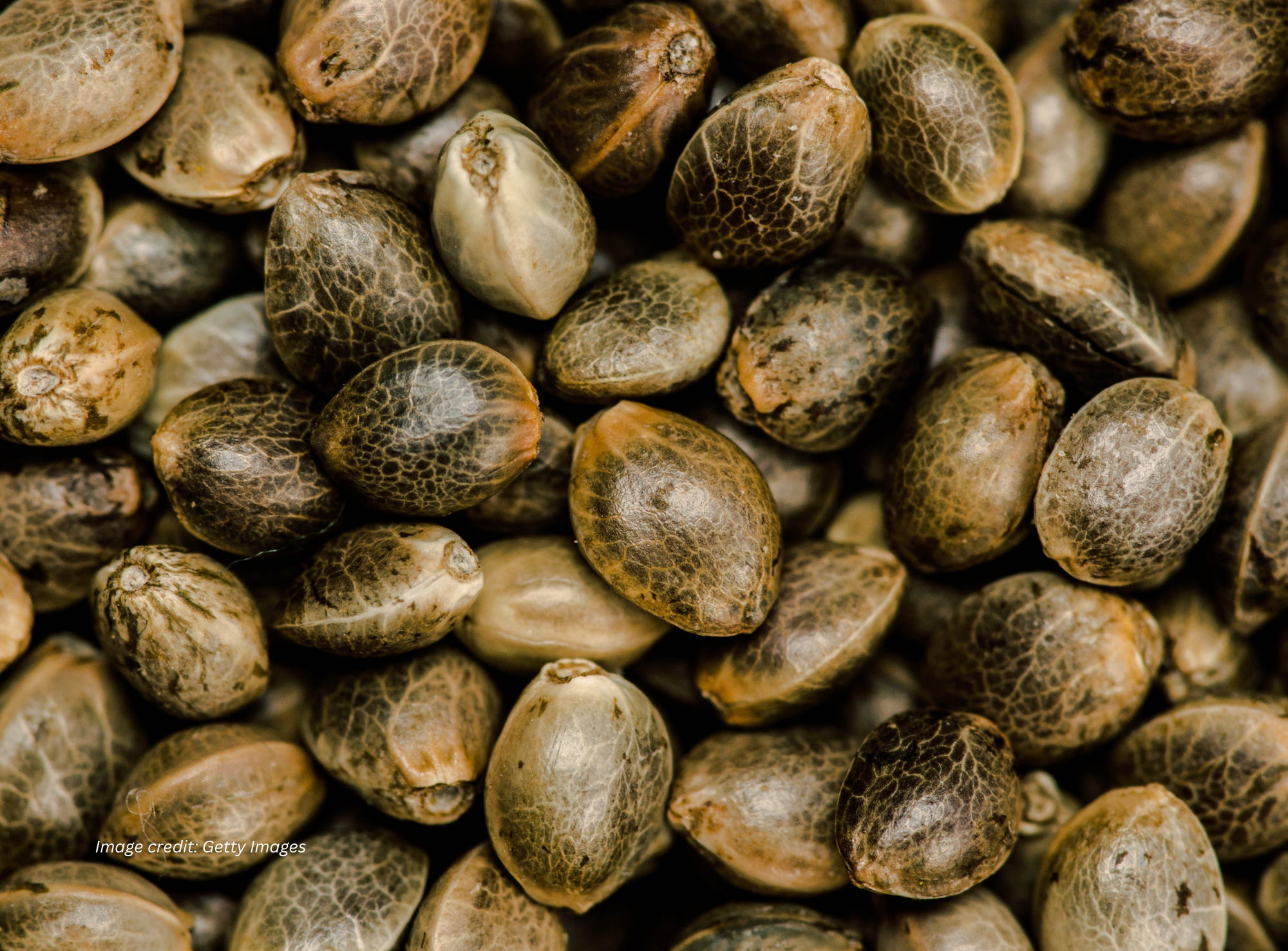
A new provision quietly added to the recent federal spending bill will, for the first time since 2018, restrict the sale of cannabis seeds in the U.S. The change reverses years of loosened oversight that treated seeds as legal hemp as long as they contained less than 0.3% delta-9 THC—a standard reinforced by the DEA in 2022. Under the new rule, seeds will now be judged not by their THC content as seeds but by the potential THC levels of the plants they could produce, banning any “viable seeds” from plants that might exceed the 0.3% threshold.
Industry experts warn the rule is unworkable and devastating. Seeds cannot be visually distinguished by potential THC output, meaning companies would have no realistic way to prove compliance. The U.S. currently has one of the world’s strongest seed markets, but growers say the ban would collapse it overnight, pushing business overseas and leaving only a few large, well-funded companies able to meet any new compliance demands.
The impact would fall hardest on consumers—especially medical patients—who rely on specific strains for conditions like epilepsy, pain, and chemotherapy-related nausea. Advocates argue that homegrown cannabis supports health, reduces contamination risks, and even lowers environmental costs. If the ban takes effect, most genetic diversity in cannabis seeds will disappear from the legal market, forcing the “good” strains underground and leaving consumers with limited, industrial-scale options. Read the full story.
Referenced article written by Hannah Harris Green. Published on December 6, 2025 by The Guardian.